
Finding Calm Through Sound Therapy
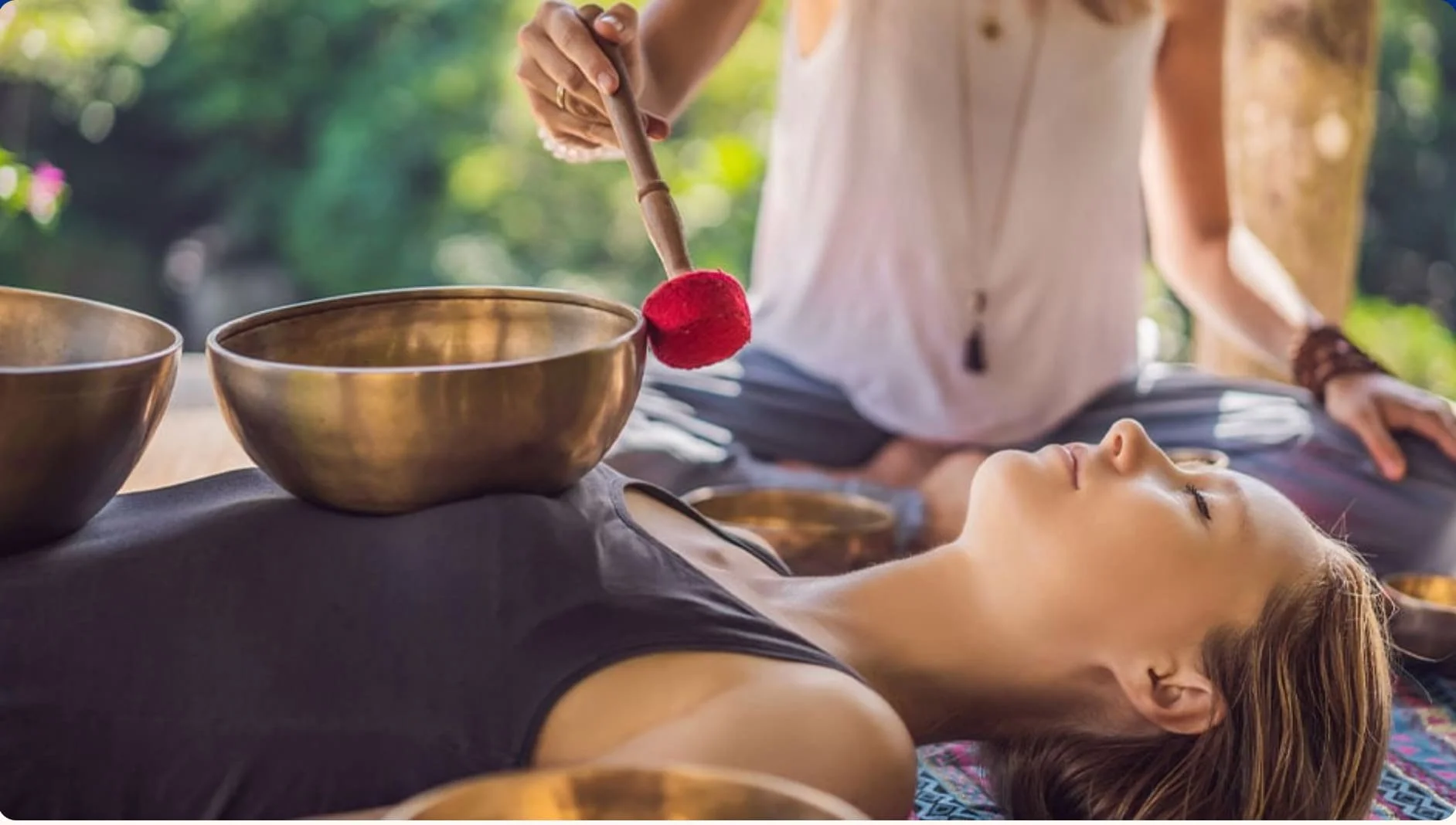
Whether in a yoga studio, in a rec center, or through headphones at home, explore how sound therapy eases anxiety, boosts focus, and soothes the nervous system.
By: Erica Bray. Published December 11, 2025 in AAA The Extra Mile
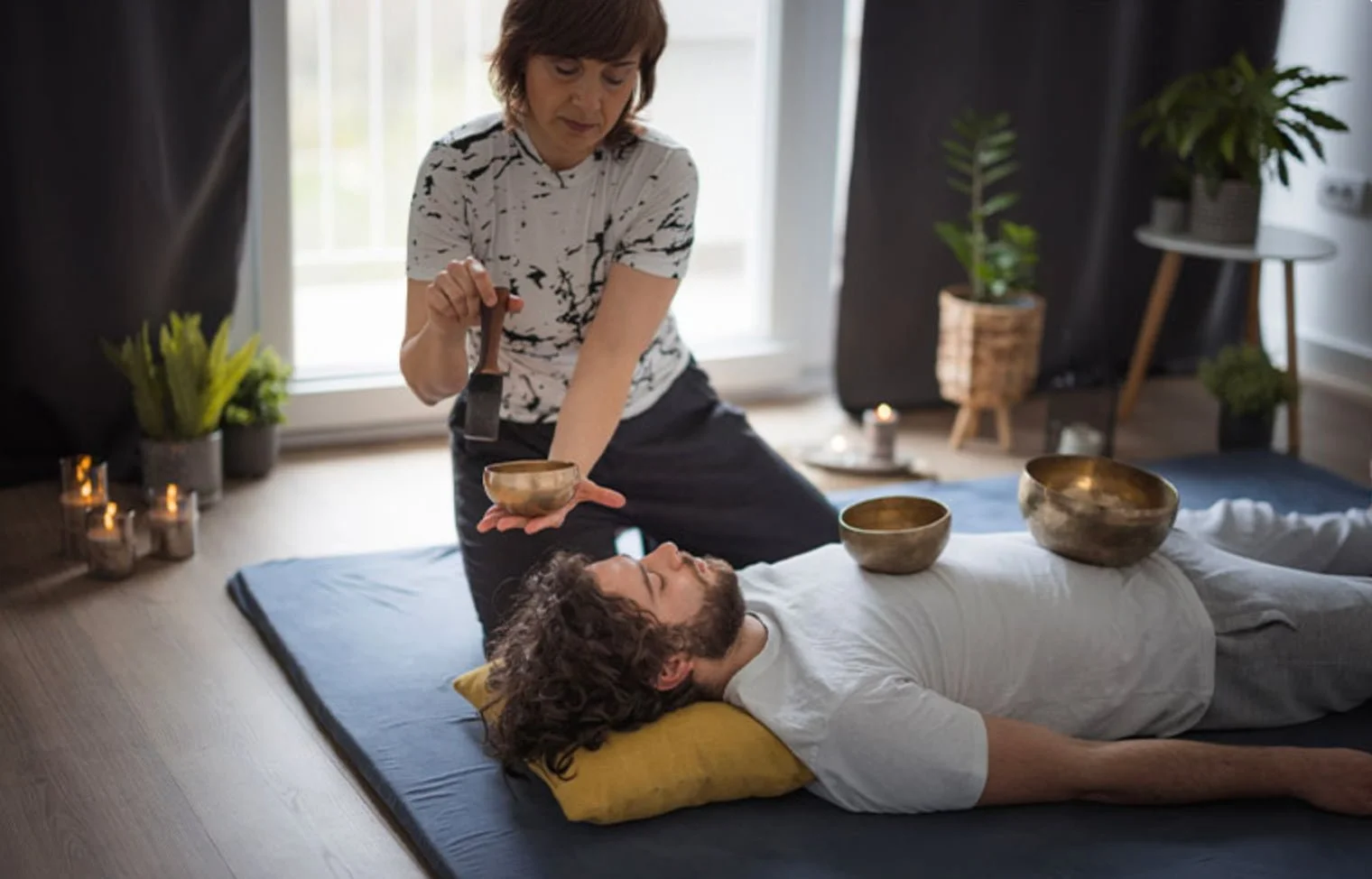
The pillows softened under my head, the mat cradled my body, and my hands rested gently on my belly. Around me, others lay still in the dim light of the yoga studio, each of us sharing the same intention: to turn inward and find calm through sound.
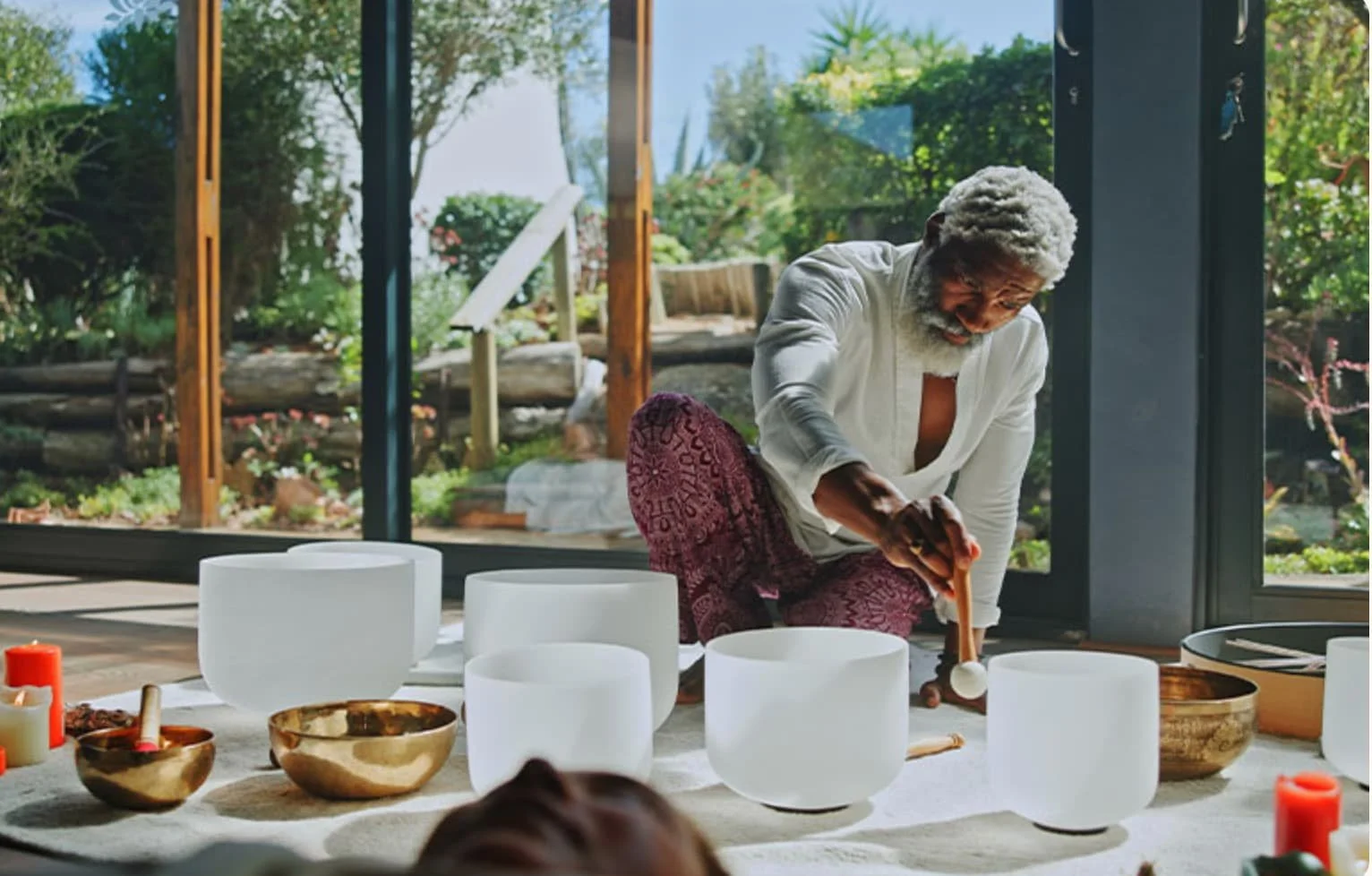
A hush settled before the first tones rang out. The shimmer of crystal bowls, the low rumble of gongs, and the delicate tinkle of chimes filled the air. The sound moved like water, swelling and shifting. I felt my breath slow to a steady rhythm, and my thoughts slowly loosened their grip.
My first “sound bath” nearly 15 years ago transported me beyond everyday anxiety into a calm deeper than any massage could achieve. Since then, I’ve returned to this form of sound therapy again and again—to relax and reset my nervous system.
I’m far from alone. Once a relatively obscure wellness practice, sound-based healing now fills yoga studios, clinics, and hospitals. As more people seek out sound therapy, researchers are also taking notice—asking not just if it works, but how.
What is Sound Therapy?
“Sound healing is the practice of using sound vibration to induce and maintain deep relaxation so that your body can heal itself,” says Monique Mead, director of Music Entrepreneurship at Carnegie Mellon University (CMU). A world-class violinist, Mead promotes music’s therapeutic applications and leads regular sound baths at CMU and a local mental health clinic.
“This is as old as human civilization,” she says, noting the history of sound healing practices across cultures and eras—from Hippocrates' belief in music’s therapeutic power to ancient shamans’ use of drumming to the Greek god Apollo, who embodied both medicine and music.
A key distinction of sound therapy—versus simply listening to a Taylor Swift song or a Beethoven concerto—is its intentional use of specific frequencies to calm the nervous system and release internal blockages. Rather than aiming to entertain or distract, sound therapy uses curated music to relax the body and clear mental or physical tension.
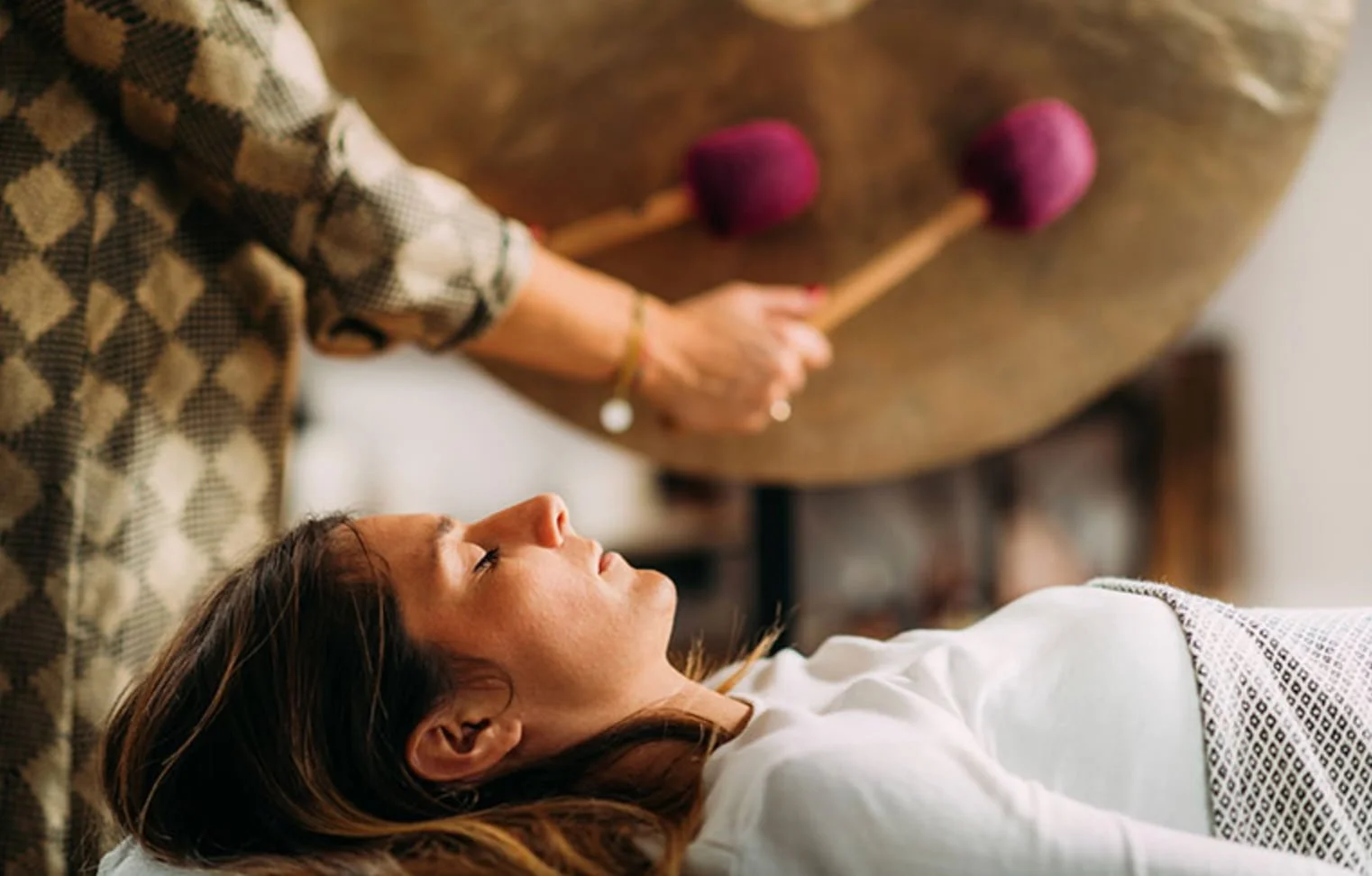
“[Sound therapy] removes the barriers for healing, and one of the major barriers that we have right now is stress,” Mead says. “Sound healing gets us out of our thinking mind and into deeply relaxed states where the body’s natural instinct can begin to repair tissue, calm the mind, and balance the emotions.”
Mead’s sound bath sessions have grown so popular that they’re now a weekly offering on CMU’s fitness schedule. She also recently trained a group of University of Pittsburgh medical students who plan to launch their own sound bath community.
“One of [the students] said something that really stuck with me,” Mead recalls. “She said, ‘I can think of nothing else that requires you to do nothing but lie there—and you leave feeling better and healthier. The state of relaxation you can reach in such a short time is unparalleled.’”

What research is revealing
Researchers are beginning to uncover why certain sounds have such a profound effect on our minds and bodies.
“Sound is one of the first senses that come online when we’re in development, before we can even see,” says AZA Allsop, an assistant professor of psychiatry at Yale University and a neuroscientist-musician who studies how music affects the brain. “When we’re babies, our mother’s voice singing a lullaby—it’s one of the fundamental ways our nervous system learns to regulate itself.”
Allsop’s work shows that slow tempos, long tones, and soft timbres engage the parasympathetic nervous system—the one that helps us rest and recover. Faster, more upbeat rhythms do the opposite, activating our “fight or flight” response. In other words, sound acts like a built-in dial for the nervous system, gently nudging us toward calm or energy.
While Allsop acknowledges the ancient belief that specific frequencies—such as 432 Hz or 28 Hz—may influence neural pathways and healing, he says more research is needed to confirm those effects. His lab is exploring how tailored music-based protocols may one day serve as early treatments for anxiety or depression, potentially prescribed much like cognitive behavioral therapy.
“We’re building toward a future,” he says, “where doctors could prescribe sound the way they prescribe SSRIs [selective serotonin reuptake inhibitors, a commonly prescribed antidepressant]—and where insurance might even reimburse musicians for leading therapeutic sessions.”
Evidence is promising. A 2022 meta-analysis found that music-based interventions significantly improved mental health–related quality of life. Allsop’s current research points to sound therapy’s potential to ease perceived stress, as well as anxiety, depression, hallucinations, and chronic pain.
Mead, too, is studying the impact of structured sound baths; in one joint study with CMU and the University of Pittsburgh, participants reported a 70 percent drop in perceived stress and an 80 percent boost in relaxation and focus.
Ways to experience sound healing
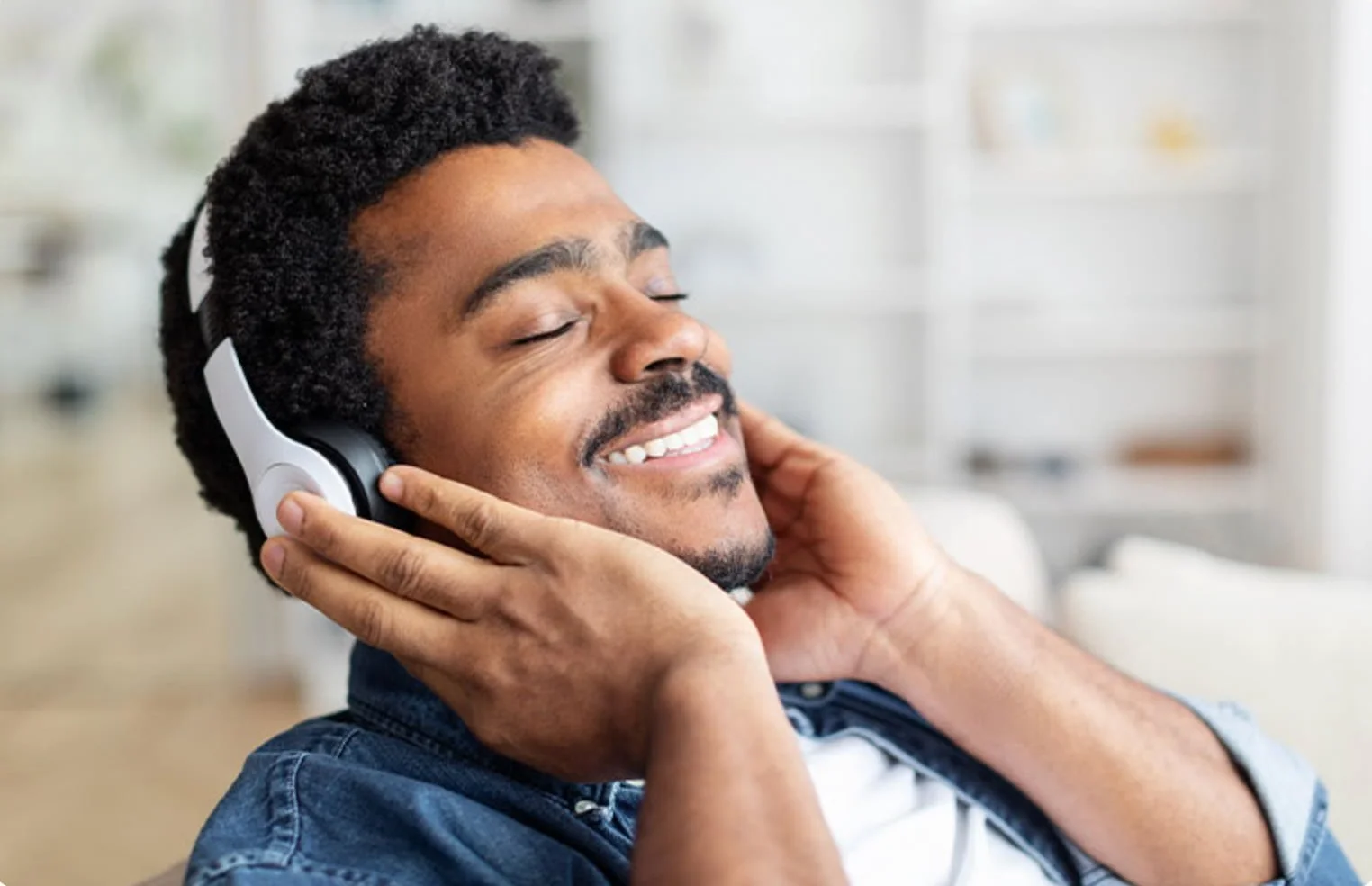
Sound therapy has become easier than ever to explore—whether in a yoga studio or from your own living room. Platforms such as YouTube, Insight Timer, Calm, and Spotify now host thousands of guided sound experiences designed to promote relaxation, focus, and better sleep.
Among the most popular are:
sound baths in which gongs, singing bowls, and chimes wash over participants in a meditative flow;
binaural beats, which use two slightly different frequencies in each ear to influence brainwave activity;
ASMR, a sensory experience triggered by soft sounds and gentle tones; and
vocal toning or mantra meditation, where sustained vocal sounds or sacred phrases help calm the mind and balance energy.
Because sound therapy can feel more accessible than traditional meditation, beginners often find it easier to start with guided or immersive experiences. “Sitting in silence can be very challenging, especially for beginners,” Allsop says. He recommends seeking out mindful sound practices, such as guided meditations accompanied by music.
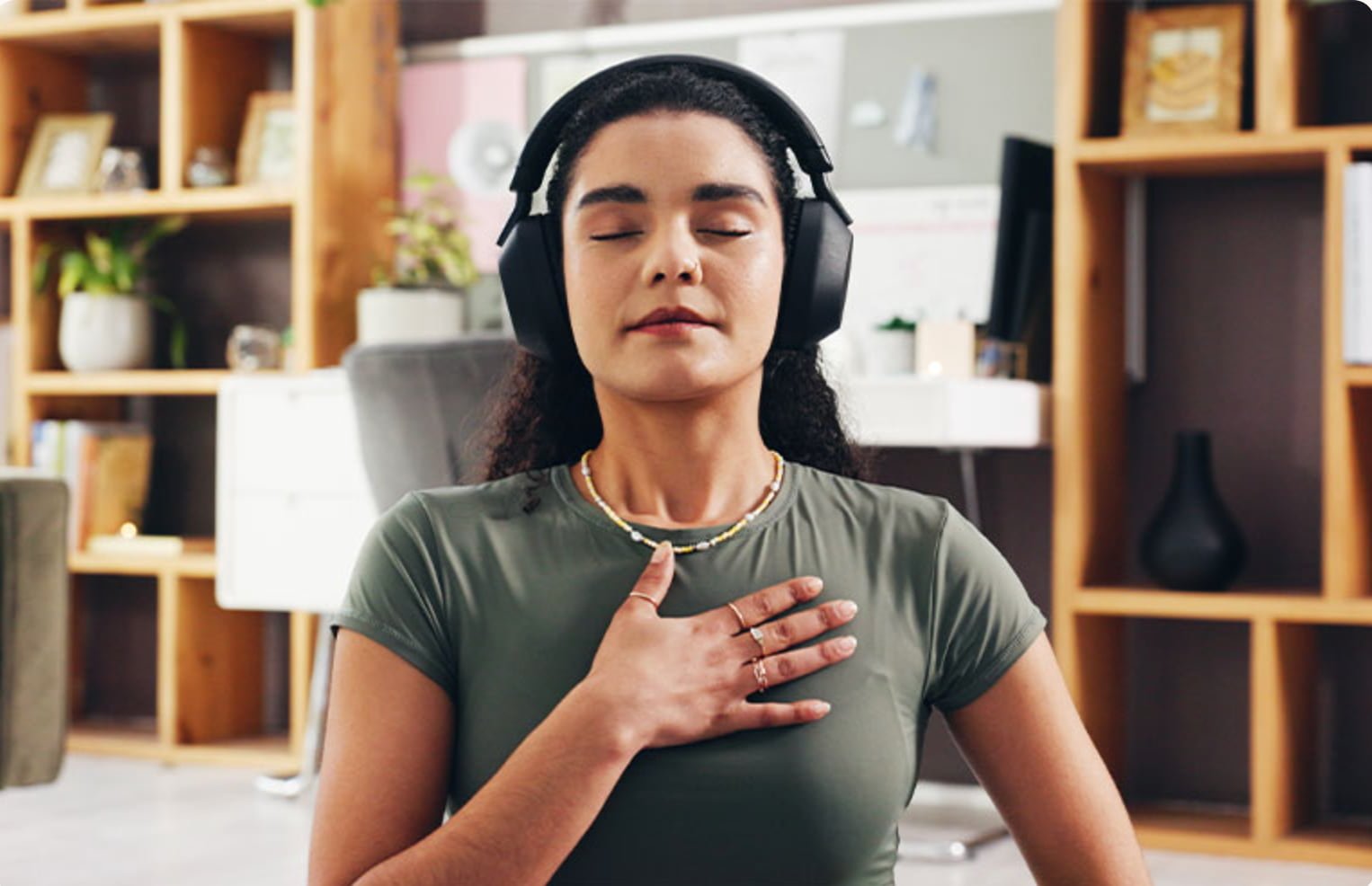
Mead suggests starting with her album Beckonings (available on Spotify), an immersive collection of soundscapes designed to encourage calm and reflection. Allsop recommends exploring UNYTE, a platform offering listening therapies such as the Safe and Sound and Rest and Restore protocols, both designed to support nervous system regulation.
Sound therapy largely lacks formal oversight, so both experts urge caution when choosing a practitioner. Look for someone with formal training, musical or therapeutic experience, and strong word-of-mouth recommendations. If you’re already working with a therapist or physician, ask for referrals.
And when browsing online, Allsop recommends considering view counts. “It can be a good way of seeing that a lot of people keep listening, so it might be having some sort of [positive] effect,” he says.

The power of shared sound
While sound healing is accessible from the privacy of your living room, Allsop points out that sound’s greatest power lies in connection. Experiencing live sessions—in yoga studios, recreation centers, or wellness clinics—can deepen the therapeutic impact by fostering community and shared presence.
“Sound is one of our most powerful tools for social connection,” he explains, adding that symptoms of strained mental health can grow worse in isolation. “Music not only acts on the nervous system; it creates a context for people to connect—and that in itself is deeply healing.”